Privatisation Strategy
Phase One

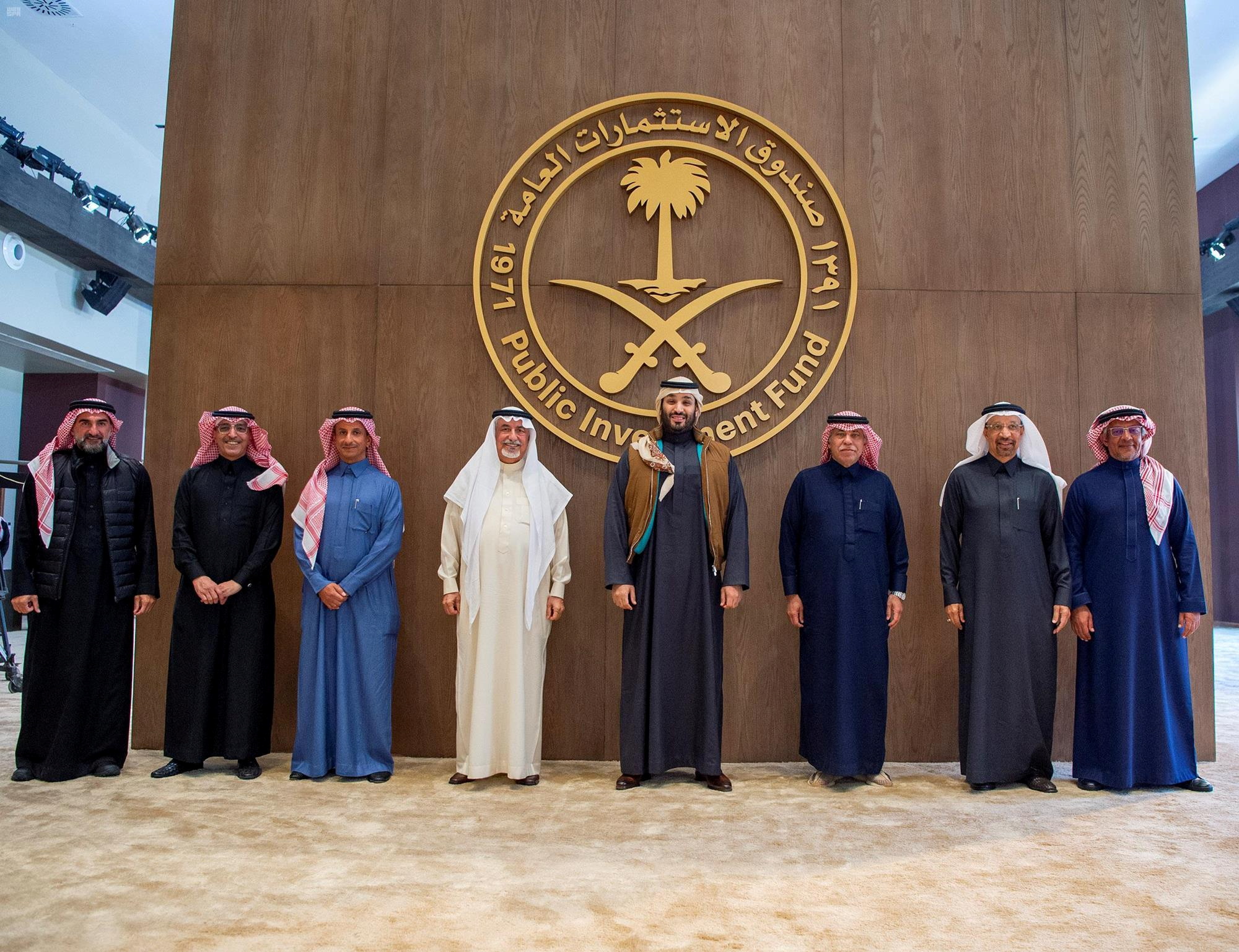
The first phase of the PIF’s strategy was to invite large national companies to purchase football clubs in aims to improve the performance of the league’s financial revenues. For example, Al-Qadsiah was acquired by Aramco (Saudi’s largest petroleum company) which has undergone a revival of sorts. Promoted from the second division, finishing 4th last season and is currently preparing to host the 2034 FIFA World Cup.
In addition, the Public Investment Fund also acquired 75% stakes in the “big four” Saudi clubs (al-Ittihad, al-Ahli, al-Nassr and al-Hilal) with the remaining 25% converted into a non-profit foundation for each club.
Phase Two
The second phase of the privatisation strategy includes clubs from various Saudi league divisions such as Al-Zulfi, al-Kholood, etc. being offered to to investors who, with approvals from the Supervisory Committee for Privatization, will a undertake a 4-part plan.
This is known as Control (first 100 days for financial stability), Build (corporate and governance structures), Operate (improving efficiency), and Transform (long term growth) to drive competitiveness and align with Saudi’s Vision 2030 goal of economic diversification.
Al Hilal leaving the “Big Four”
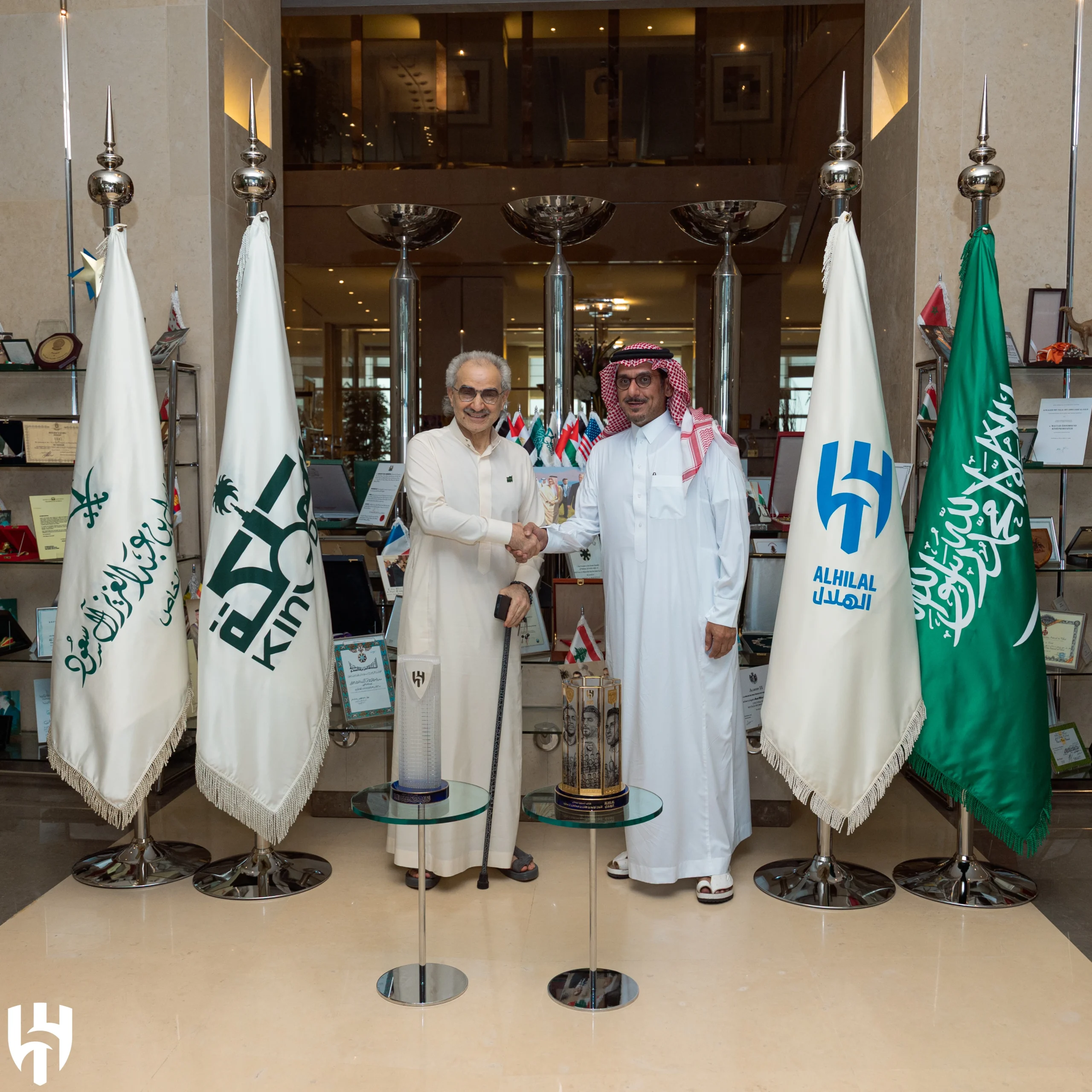
As part of the Public Investment Fund’s new five year plan which includes maximising financial returns within the domestic economy, the PIF sold its 70% ownership stake in Al Hilal to Kingdom Holding Company. The firm run by Saudi Prince Alwaleed bin Talal valued the 19-time league winners at 1.2bn SAR (£237.2m) due to its strong commercial performance under PIF, with revenues rising from £81.6m in 2023 to £130.3m in 2024, reaching £166.5m in 2025, all whilst having one of the highest net spends in world football.
Foreign Investment
Al-Kholood Club, a Saudi Pro League team, was fully acquired by the US-based Harburg Group in July 2025, making it the first foreign ownership of a top-flight Saudi club. This deal aligns with Saudi Arabia’s Vision 2030 to attract investment and privatise football clubs.
The Harburg Group
Announced on July 24 2025, the Harburg Group, led by American investor Ben Harburg, purchased 100% of the club through a process managed by the Saudi Ministry of Sport and the Saudi National Centre for Privatization though financial terms remain undisclosed.

Al-Kholood finished ninth in the Roshn Saudi Pro League following its promotion from the Saudi Second Division League and reached the final of the King’s Cup for the first time in their history, before losing out to, 11-time winners, Al-Hilal.
The Harburg Group specialises in sports investments and holds a 6.5% stake in Spanish second-division club Cádiz. Ben Harburg aims to transform Al-Kholood from an underdog into a competitive force, as noted in later coverage.
Why is this deal significant?
This was part of the second phase of Saudi’s football privatisation strategy launched in 2023. This also privatised lower-division clubs Al Ansar (to construction firm Abasco) and Al Zulfi (to real estate firm Nojoom Alsalam).
Additionally, clubs such as Al Nahda, Al Okhdood, and Al Orobah are expected to follow soon after. The initiative supports SPL goals to reach $480m (£355m) in annual revenue by 2030 through private ownership and commercial growth of the league.
The Verdict
Saudi Arabia’s privatisation strategy for football clubs signals a shift towards global competitiveness under Vision 2030. It promises reduced state ownership models and higher commercial revenues but risks uneven development between elite and smaller clubs.
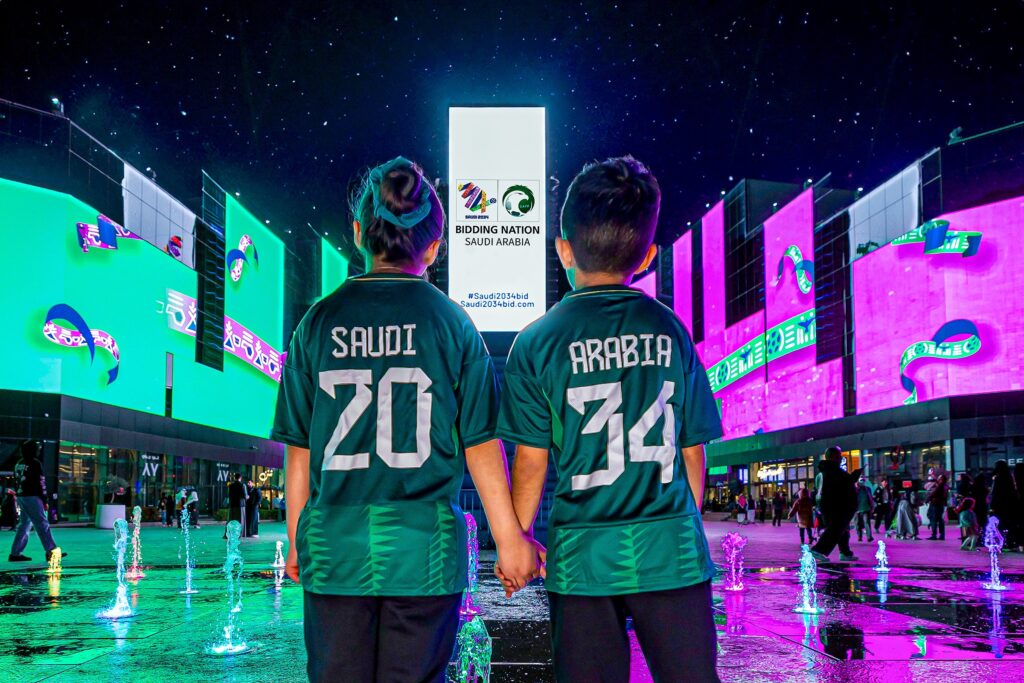
Attracting foreign investors like Harburg Group’s Al-Kholood deal allows for infrastructure upgrades, sponsorships, and tourism tied to events like the 2034 FIFA World Cup bid, without requiring internal state investments, instead relying on external and foreign investors.
Overall, it aims to elevate the Saudi Pro League into a top-10 global league by 2030, however the league must be able to improve talent retention amid regulate its high spending, if it wants to compete with the best leagues in the world.