Is the 3pm Saturday Blackout About to Fall?
For decades, the Saturday 3pm kickoff in England has been a “broadcast ghost town.” While fans in across the globe, whether it’s New York, Beijing or Johannesburg are able to watch every single Premier League match live, fans in the UK are simply unable to watch their own league.
In early 2026, the debate over Article 48 has officially reached a boiling point. The Premier League and EFL are facing a legal and commercial crossroads that could change how you watch football forever.
What is Article 48?
The “3pm Blackout” isn’t just a tradition; it’s a specific legal protection under UEFA Statute Article 48. This rule allows national associations (like the FA) to designate a 2.5-hour window on Saturdays where live football broadcasts are prohibited.

The Argument for Article 48
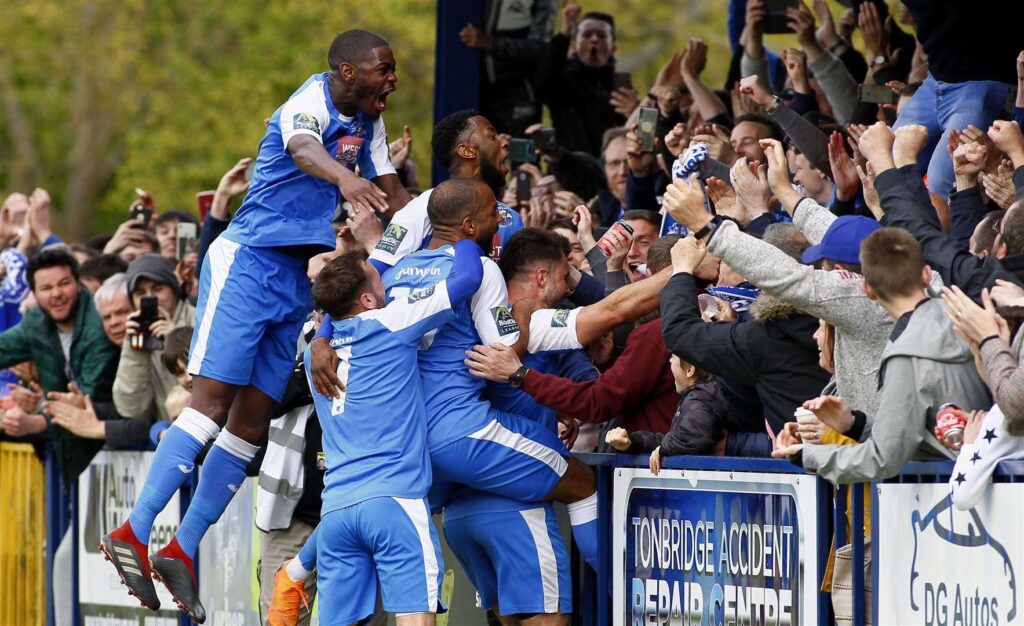
The FA and the EFL have long argued that the blackout is the “lifeblood” of the English football pyramid. The theory is simple: if you can watch Man City vs. Liverpool on TV at 3pm, you won’t go to see your local National League side in person. The blackout protects the gate receipts of the 72 EFL clubs and the thousands of grassroots teams below them.
Why Now?
As we move into the 2026/27 rights cycle, the economic landscape has shifted. The traditional “broadcast bubble” of the same few broadcasters is looking to burst, and the Premier League is looking for new ways to grow revenue.
1. The “DTC” (Direct-to-Consumer) Threat:
The Premier League wants to build its own “Netflix-style” streaming platform. To make that product viable, they need to sell every game. You can’t charge a premium subscription if the 3pm games, often featuring the biggest clubs are missing from the platform.
2. The Consumer Rights Challenge:
There is growing legal pressure regarding “consumer choice.” In a digital age where VPNs and illegal streams are rampant, the IFR (Independent Football Regulator) is facing questions about whether a blanket ban on legal viewing is still enforceable or even logical.
What is the compromise?
Behind the scenes, the 2026 negotiations aren’t about if the blackout ends, but how the EFL is compensated for its death.
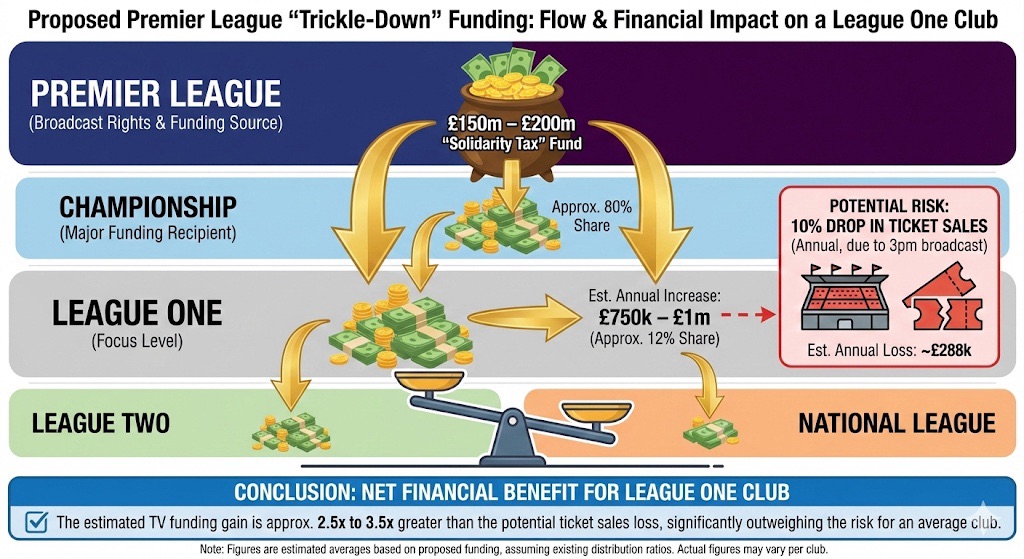
The proposal of a “Solidarity Tax” has been considered by the Premier League whereby they will offer a significant increase in “trickle-down” funding to the EFL (potentially an extra £150m–£200m per year) in exchange for the rights to broadcast the 3pm window. For a League One club, the “TV money” from this deal could eventually outweigh the risk of a 10% drop in ticket sales.
The Verdict
In 2026, the Premier League is no longer a domestic league; it’s a global media product. Keeping 40% of its content off-limits to its home audience is a strategy that boardroom executives can no longer justify to their stakeholders.