
For decades, the transfer solidarity payments system has been broken even though the rules were simple: when a player is sold, 5% of the transfer fee should be split among the clubs that trained the player between the ages of 12 and 23.

In practice, this money rarely arrived. Small clubs in continents like South America or Africa didn’t have the legal resources to track their former players to lodge claims with FIFA, which often took years to get a result in their favour. Estimates suggested that barely 20% of these payments ever reached their destination.
However, that era of administrative negligence is over as in comes the FIFA Clearing House (FCH), based in Paris, which has taken over. It is a digital platform that uses automation to find, calculate, and extract every penny owed to clubs.
Electronic Player Passport (EPP)
The FCH isn’t just a like an online payments system; it relies on three technologies to ensure no club is overlooked:

- Electronic Player Passport (EPP): An unchangeable digital history of a player’s registration. If a player’s record is missing a year of playing history, the FCH flags it and demands a resolution before the transfer can proceed.
- Smart Contracts: Once a transfer is registered in the TMS (Transfer Matching System), a smart contract automatically queries the EPP, before triggering a “Request to Pay” to the buying club
Distribution of Wealth
The impact of the FCH has been immediate and staggering. According to the latest reports published by FIFA in 2024, the FCH has successfully closed the value gap.
In the first 24 months the FIFA Clearing House allocated over $350million to more than 5,000 clubs. By mid-2025, this figure had surpassed $500million allocated, with the $300million already successfully distributed to the clubs.

Winners of the FCH:
- Sportivo Obrero (Paraguay): This 106-year-old amateur club received a life-changing payment following the transfer of Robert Morales. It was the first time they were ever paid for their historical contribution, funding infrastructure that was previously impossible.
- SC Malesherbois (France): A tiny 7th-division club received €160,000 automatically. They didn’t have to file a single piece of paperwork; the machine simply found them and pushed the money to their account.
Cashflow Challenges
While grassroots clubs celebrate, clubs in elite leagues like the Premier League face the challenge of negative cash-flow. Before, clubs could manage their transfer payables by delaying the solidarity payment until they were “caught” by FIFA.
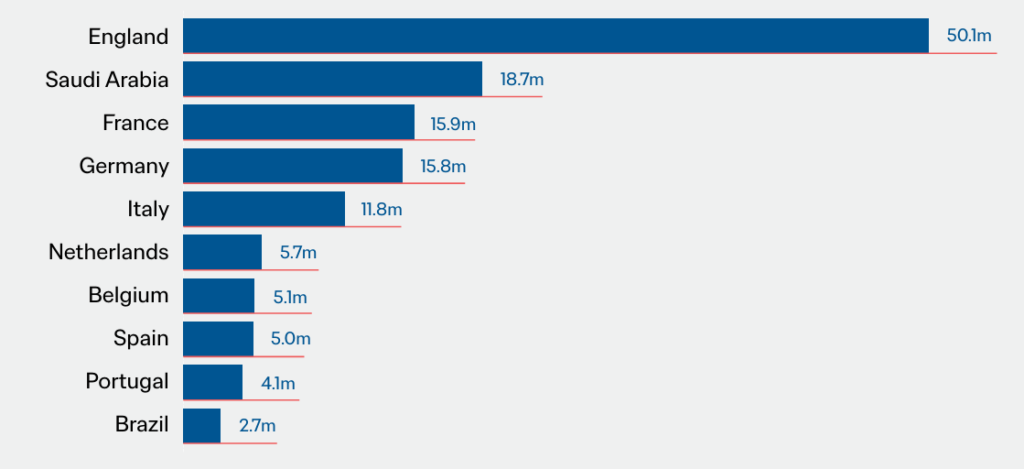
When a club updates the TMS to show a contingent payment (e.g. £10m after 50 appearances), the FCH immediately triggers the 5% Solidarity deduction.
Example: A club pays a £5m bonus to a selling club. The FCH robot calculates:
The club receives an automated “Request to Pay” for £250,000 with a strict 30-day window.
Failure to pay after 37 days results in penalties, such as a 2.5% levy on top of the original amount. For clubs operating at the limit of their Squad Cost Ratio (SCR) or PSR limits, these can trigger a liquidity crisis, which could force top clubs to have a type of contingency reserve for players they signed years ago.
The Verdict
The FIFA Clearing House is a monumental success, it has found the missing millions owed to training clubs and rightfully enforced the distribution of them. By automating justice, it has removed the wiggle room that elite clubs used to manage their finances.