The Football Governance Act 2025 has moved from a contentious proposal to a reality. As of early 2026, the Independent Football Regulator (IFR) is no longer a “shadow” body, it is a statutory authority with the power to go into boardrooms, block takeovers and, in extreme cases, revoke the license of any club from the Premier League down to the National League.
For decades, the English game operated on a model of “delegated self-regulation.” Effectively, the Premier League and the EFL evaluated their own clubs and if an owner passed the “Fit and Proper Person Test,” they were largely left to their own devices. This was until clubs like Bury or Macclesfield Town collapsed, or the “Big Six” attempted a midnight escape to a European Super League.
That era is over.
The Three Pillars of IFR Suitability
In 2026, the regulator doesn’t just ask, “Are you a criminal?” It asks, “Are you capable?” To pass the new threshold, prospective owners must satisfy the IFR on three distinct fronts:
1. The Competence Test
Competence is now a legal requirement. The IFR evaluates whether the proposed management team has the experience to run a multi-million-pound cultural institution. If a buyer proposes a board with zero football or high-level business experience, the IFR can issue a Notice of Unsuitability before the first penny changes hands.
2. Source of Wealth
The IFR have the authority to request information directly from banks, international regulators, and law enforcement agencies. If the money is linked to “serious criminal conduct” or jurisdictions with poor financial transparency, the deal is dead on arrival.
3. Operating License
Every club in the top five tiers must now hold an operating license.
- Provisional License: A three-year “grace period” for clubs to get their houses in order.
- Full Operating License: The gold standard. To earn this, clubs must satisfy the IFR on three non-negotiable fronts: financial resilience, corporate governance, and fan engagement.
1. Liquidity Stress Tests: Financial Shock Proof
The IFR doesn’t just look at whether an owner has money today; it looks at whether the club can survive financial downturns tomorrow.
- The Stress Test: Clubs must submit integrated financial statements (balance sheets and cash-flow forecasts) that are stress-tested against scenarios like sudden relegation or the loss of a primary broadcaster.
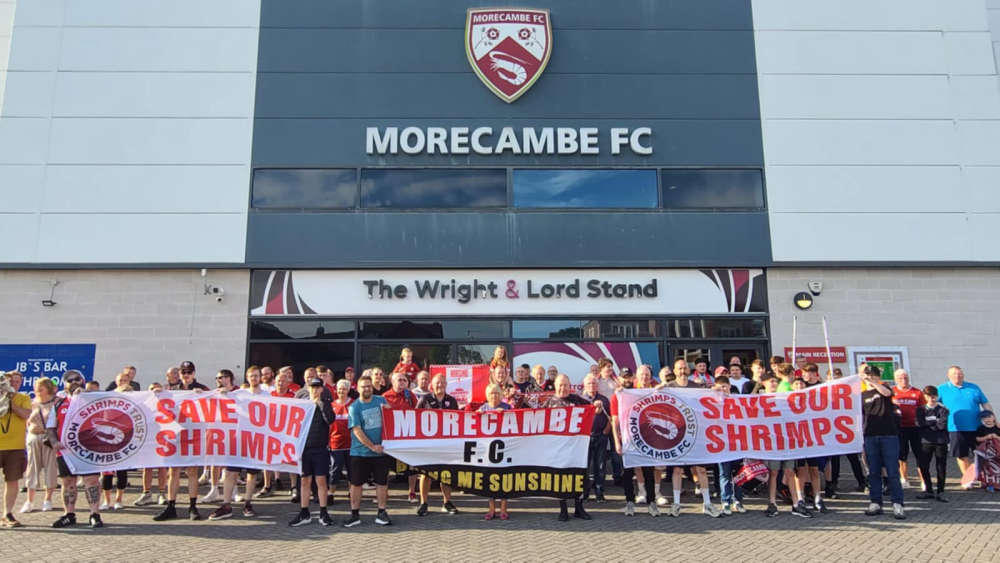
- The Real-World Impact: Consider the 2024–25 crisis at Morecambe FC, where a lack of proof of funds led to transfer embargoes and points deductions. Under the new regime, the IFR would have flagged the owner’s “personal financial matters” months earlier, potentially appointing an “expert reporter” to intervene before the club’s league status was jeopardized.
2. Fan Consultation & Heritage: Protecting the Soul of the Club
The Act introduces a “Fan Engagement Threshold.” This isn’t just a suggestion; it’s a licensing requirement.
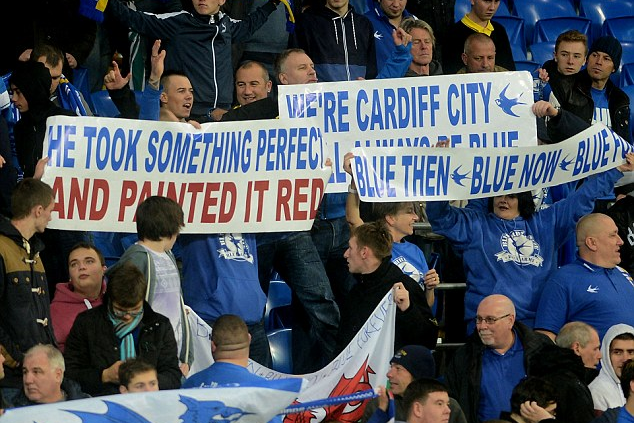
- Heritage Assets: Any “material” change to a club’s crest, home shirt colours, or name now requires a majority vote from domestic fans. This prevents the “rebrand” nightmares seen at Cardiff City when the owners changed the club skin from blue to red, sparking severe backlash and protests.
- Stadium Veto: Clubs can no longer sell or relocate their home grounds without IFR approval. The regulator must be satisfied that any move makes financial sense and does not compromise the club’s cultural heritage.
Sanctions are no longer just “points deductions.” The IFR can impose financial penalties of up to 10% of a club’s annual revenue or even appoint a trustee to assist in running the club if the board is deemed incompetent.
The Verdict
The IFR isn’t just a filter to keep out the “bad guys”; it’s designed to professionalise the entire boardroom. By the time an owner passes these forensic-like investigations, they aren’t just an owner – they are a government-certified custodian of the club.