Is Your Club the Crown Jewel or Just a Training Ground?
We used to use the term “feeder club” as an insult. In 2026, it is simply an accepted corporate structure of football clubs.
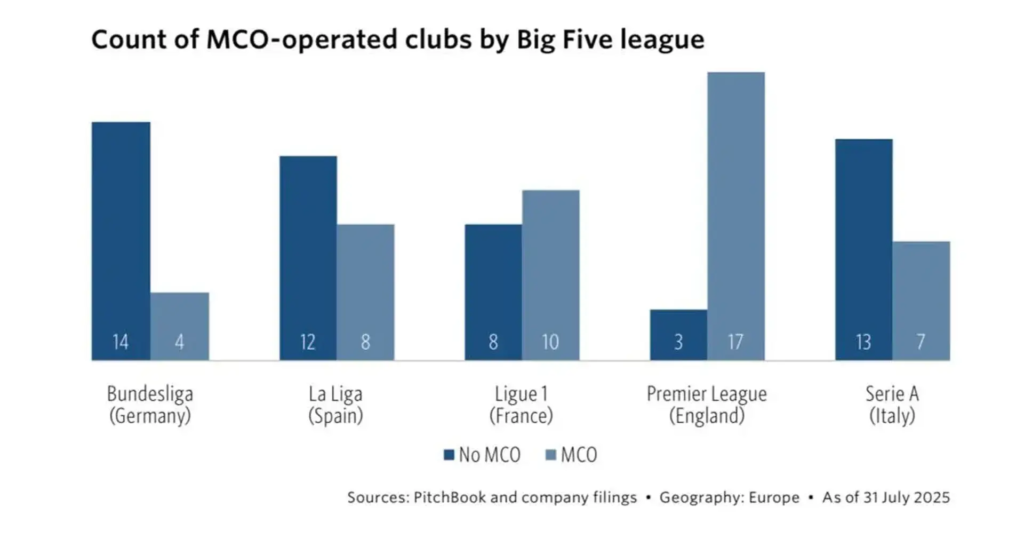
With over 47% of clubs in the top 5 leagues now operating within a Multi-Club Ownership (MCO) network, the transfer market has fundamentally shifted. It is no longer open in the same way it used to be, instead it is more like an internal logistics network, with players moving between clubs owned by the same organisations.
The pyramid is clear. MCOs like City Football Group, Red Bull, and BlueCo don’t just own random teams; they build a vertical supply chain designed to serve their top clubs.
The New Hierarchy
In this ecosystem, every club has a designated role.
1. The Flagship
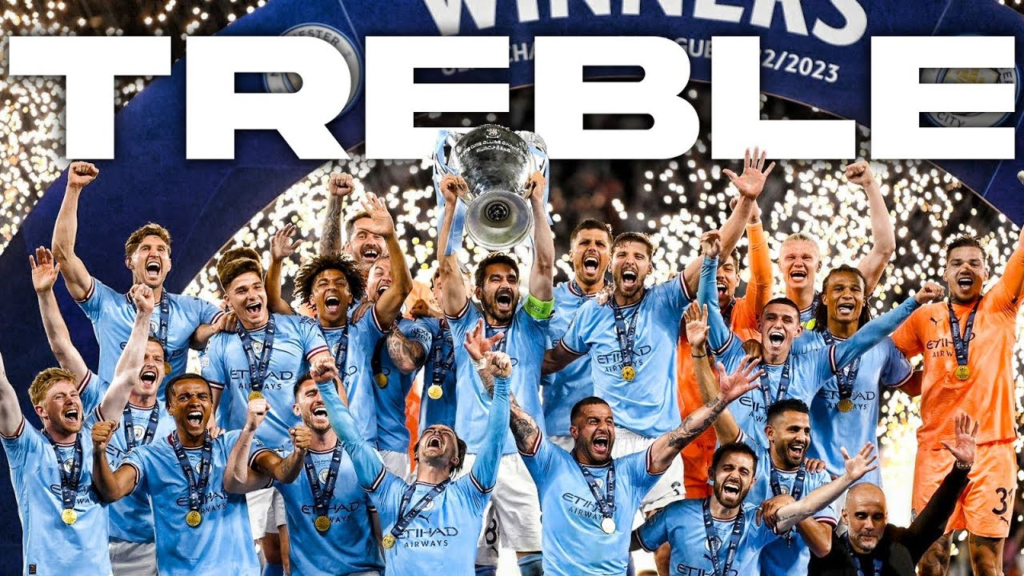
- Examples: Manchester City, Chelsea, RB Leipzig, Lyon (under Eagle Football).
- Role: The high-revenue asset where the “finished product” plays. The goal here is purely sporting dominance and commercial gain.
- Privilege: They get first choice on purchasing any talent produced by the network. They rarely sell players down the chain unless those players are broken or need development through loans.
2. The Satellite
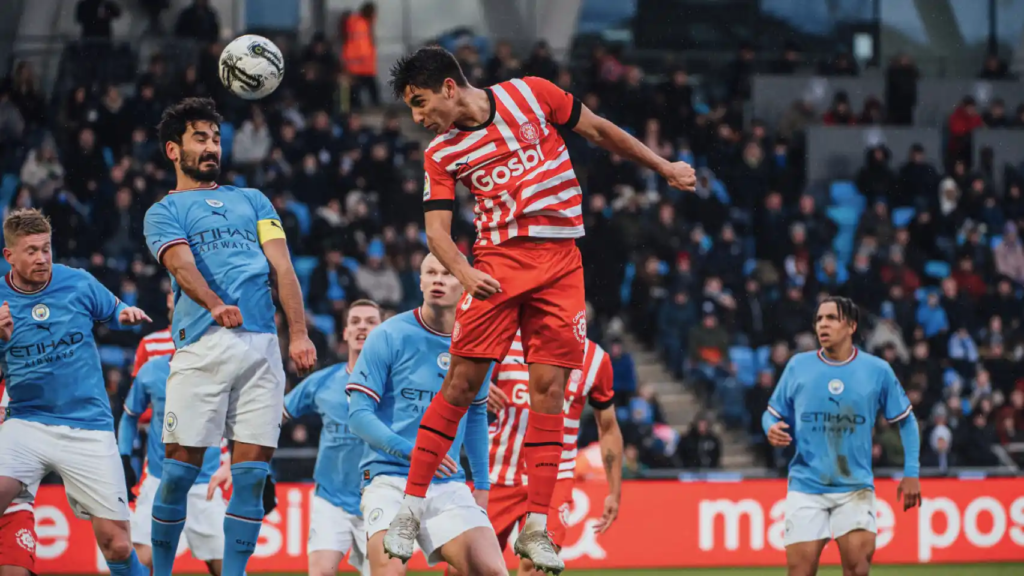
- Examples: RC Strasbourg, Girona, Palermo, Botafogo.
- Role: To park talent, bypass work permit restrictions and inflate transfer values.
- The Reality: They are in a “softer” regulatory environment (Ligue 1, MLS, Belgian Pro League) where young South American or African talent can accrue the Governing Body Endorsement (GBE) points required to eventually enter the Premier League.
Case Study: The “BlueCo” Civil War
Nothing illustrates the pain of the “Satellite” fans better than the situation at RC Strasbourg under BlueCo (owners of Chelsea).
When Chelsea signed the Dutch striker Emanuel Emegha from Strasbourg for 2026, it wasn’t a celebration of a player graduating; it was a reminder of Strasbourg’s glass ceiling.
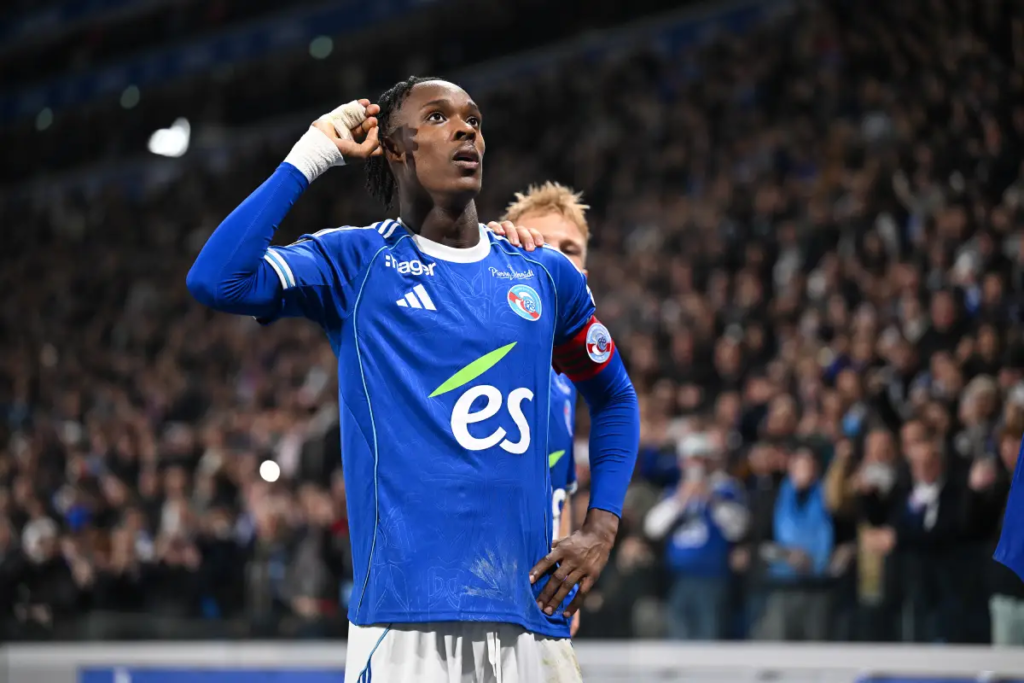
- The Transfer: Emegha was Strasbourg’s captain and top scorer. In a normal market, Strasbourg would create a bidding war between European clubs to maximize the fee.
- The “Internal” Deal: Instead, he moved to Chelsea, the Flagship, for a fee that, while “fair market value” on paper, effectively stripped Strasbourg of their best asset without allowing them to reinvest the funds into a replacement of equal calibre. Why? Because the goal of the group is for Chelsea to win the Champions League, not for Strasbourg to challenge PSG.
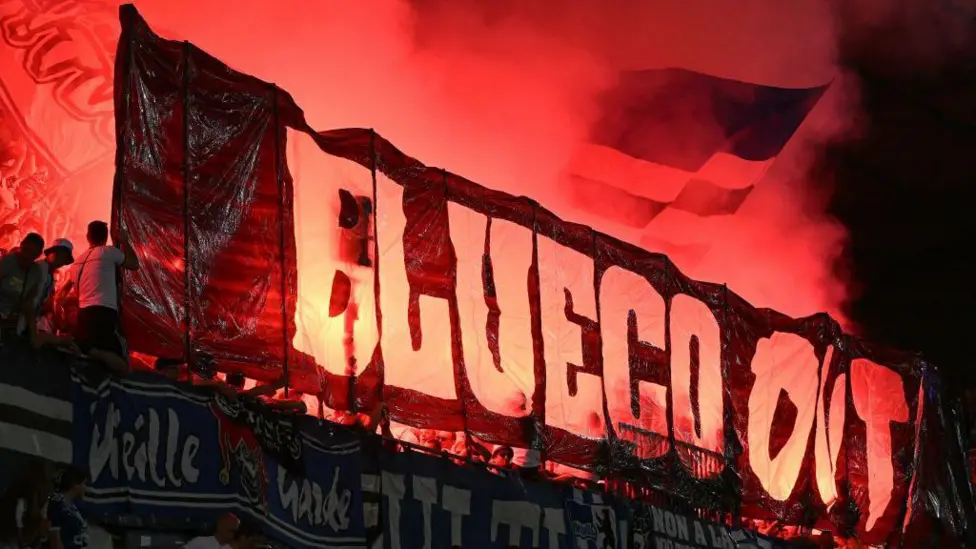
This sparked what French media called a “Civil War” at the Meinau Stadium, with ultras holding banners reading: “BlueCo Out”
Financial implications of the MCO model
If the Flagship club is close to breaching its Squad Cost Ratio (SCR) cap, they can buy a player and loan them out to a Satellite club that is part of their network. The Satellite club pays the wages, keeping the Flagship’s books clean, while the player develops. The Flagship can also purchase the player for much cheaper than other clubs outside the network would be able to.
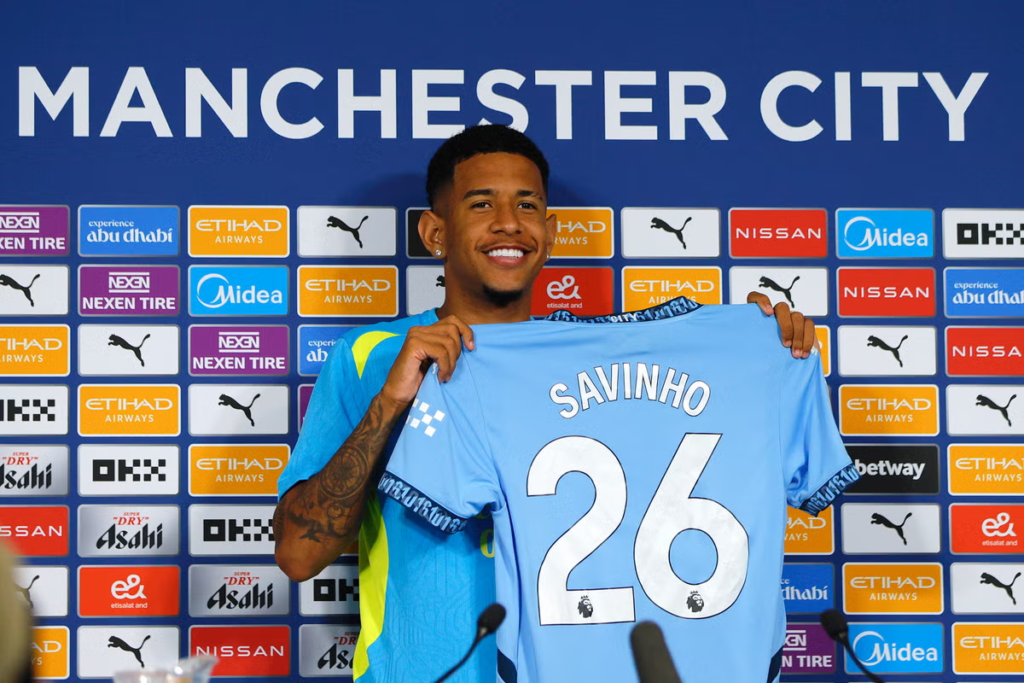
For example, we saw this with Savinho moving from Troyes (Satellite) to Girona (Satellite) to Manchester City (Flagship). Troyes, the club that actually owned him initially, did not play Savio in a single match, instead loaning him out to several clubs before landing at Girona for one season and moving onto Man City for €25 million, despite being valued at €50 million.
The Verdict
The traditional “independent” club is becoming much rarer. By distributing scouting costs, legal fees, and player development across a global network, owners create an ecosystem that can survive relegation or financial downturns that could destroy a standalone club.
However, for the fan, the conclusion is bittersweet. Whilst the club may be more “financially stable” as a satellite, that stability comes at the cost of being a cog in a global machine.