
The 85% Rule: Why the Squad Cost Ratio Changes Everything
For the last three years, the Premier League has been defined by a three-year rolling window of permitted financial losses but that era is over.

As of the 2026/27 season, Profit and Sustainability (PSR) has been replaced by the Squad Cost Ratio (SCR), and the difference is huge. The buffer that allowed a club is to make minimal losses every year is gone. In its place is a hard, real-time cap that ties spending directly to income.
The Mechanism: How SCR Actually Works
Instead of a vague three-year buffer where you can “smooth out” a bad year, SCR is a hard annual limit.
- The Cap: Premier League clubs must limit their “Squad Costs” to 85% of their total revenue.
- The European Penalty: For clubs competing in UEFA competitions (Champions League, Europa League, Conference League), that cap drops to 70% to align with European financial sustainability regulations.
The Formula:
If the club crosses that 85%, the club is in breach and sanctions may be applied by the governing body.
Why Does It Matter?
Under the old PSR, clubs could “gamble” on future revenue. A club like Aston Villa or Chelsea could sign a star in January, pushing their spending high, betting that Champions League qualification in May would generate the revenue to balance the books retrospectively over the three-year monitoring period.
SCR eliminates that leverage. It acts as a real-time “financial speed camera.”
If a club’s revenue drops, for example, if they miss out on Europe or lose a key club sponsor then their spending cap instantly decreases for the following season. The club cannot spend their way out of this; they must cut their way out of it.
So Who Gets Hurt?
1. Relegated clubs
Consider a club relegated from the Premier League, then their revenue might plummet from £180m to £60m.

- Old PSR: They had time to adjust because the previous two years in the Premier League that helped them keep their rolling profit/loss average healthy.
- New SCR: The cap crashes immediately. A £60m revenue means a £51m squad cost limit. If their wage bill is relative to their old £120m revenue, they may be forced into selling key players on high wages before the new season of the EFL Championship season kicks off.
2. Foreign Investments
Newcastle has the richest owners in football, but under SCR, that wealth is irrelevant. They can only spend what the club earns.
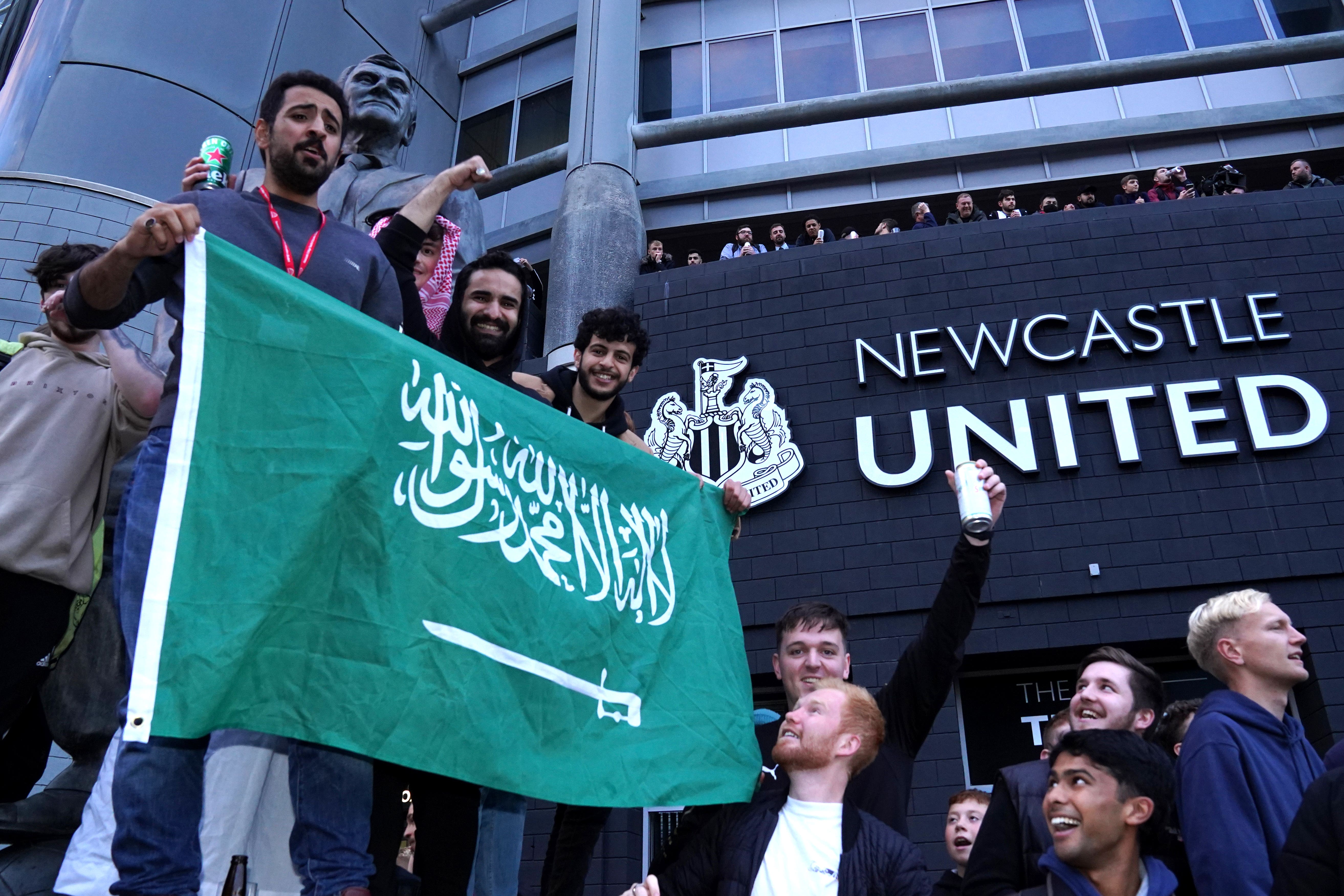
- If Newcastle generates £300m in commercial and TV revenue, their spending limit is £255m.
- Compare that to Manchester United, who might generate £700m. Their spending limit is £595m. SCR locks in the hierarchy.
- The only way for Newcastle to buy better players is not to ask the owners for cash, but to sell players for profit, sell more tickets and sign much more financially-rewarding sponsorships.
3. The European Trap
This is the most dangerous trap in the new rules. For example, a club like Chelsea aims for the Champions League, which has a 70% cap, so they:

- Build a squad costing £325m a year, assuming they will have UCL revenue (let’s say £500m total revenue). £325m / 500m = 65%. They are safe from the 70% SCR cap.
- The Failure: They finish 5th and drop into the Europa League. Their revenue falls to £350m.
- The Breach: Suddenly, their ratio is £325m / 350m = 92%.They are now massively over the cap and now the club must immediately sell their best assets just to comply with the rules for the next season.
The Boardroom Reality

The era of free-spending in transfer windows, hoping to re-coup losses in the next season is over. Negotiations this January aren’t about what a club might earn in 2028, instead they are about exactly what is in the club’s bank today.